
7 Benefits of Strength Training for Women Over 50

Updated: Apr 19
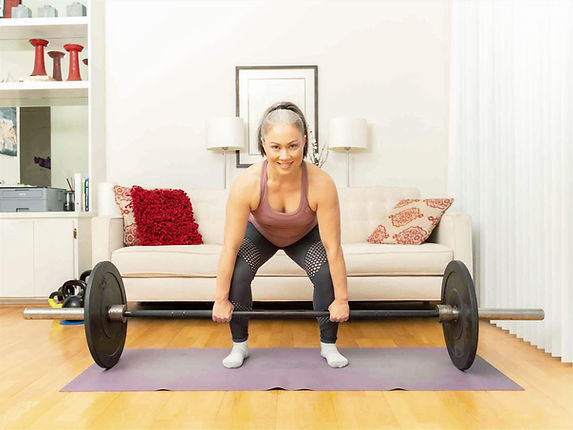
Many women enter their 50s and notice that their bodies feel different — strength, balance, energy, and recovery shift in ways that can feel sudden or unexpected. The positive news is that your body remains highly adaptable. With the right type of training, you can stay strong, capable, and active for decades to come.
Strength training is one of the most effective tools for supporting your health during and after the menopausal transition. Below are seven key benefits grounded in well-established physiological principles — no hype, no exaggerated claims.
If you'd like a deeper look at how to begin strength training safely and effectively, I’ve included a link to my full midlife training guide at the end of this article.
1. Strength Training Helps Maintain and Improve Bone Density
Bone density naturally decreases with age, and the rate of loss accelerates during and after menopause. Strength training provides the mechanical stimulus bones need to stay strong.
It can help:
slow age-related bone loss
support better balance and stability
reduce fracture risk
protect long-term mobility and independence
This is one of the most reliable non-pharmaceutical tools for bone health.
2. You Maintain and Rebuild Muscle Mass
As hormonal changes shift the balance between tissue breakdown and repair, many women notice increasing weakness or fatigue. Without resistance training, muscle loss can progress more quickly in midlife.
Strength training helps you:
preserve existing muscle
build new muscle
improve strength and power
support tendon and connective tissue health
You can absolutely build muscle in your 50s — and doing so is one of the biggest predictors of staying active and capable as you age.
3. You Support Healthy Blood Sugar Regulation
Changes in glucose metabolism are common during and after menopause. More muscle mass helps the body use glucose efficiently, and resistance exercise improves insulin sensitivity.
Strength training contributes to:
better blood sugar management
improved metabolic health
more stable energy throughout the day
This is especially helpful for women noticing shifts in body composition, energy, or lab values during midlife.
4. You Move More Easily and Reduce Injury Risk
Daily life — lifting, carrying, bending, climbing stairs, or hiking — requires a combination of strength, stability, and coordination. When these qualities decline, movement feels harder and injury risk increases.
Strength training helps improve:
joint control and stability
movement confidence
balance and coordination
resilience during recreational activity
You’ll likely notice everyday tasks becoming easier and more comfortable.
5. You Can Reduce Chronic Pain and Improve Joint Comfort
Many women experience persistent pain in their knees, hips, lower back, and shoulders during midlife. Strength training improves the muscular support surrounding these joints, which can reduce discomfort and improve tolerances for daily activity.
Benefits include:
improved joint stability
less irritation during movement
greater endurance for walking, stairs, and longer outings
more overall comfort throughout the day
Building strength provides essential support around your joints, helping movement feel smoother and more stable over time.
6. Strength Training Supports Brain and Cognitive Health
Research in this area is still emerging, but current evidence suggests that strength training may support:
improved cognitive function
better executive function
increased blood flow to the brain
reduced inflammation
Many women also report clearer thinking and better mental energy when strength training consistently.
7. Strength Training Is Associated With Improvements in Mood and Emotional Well-Being
The menopausal transition can affect mood, stress levels, and sleep quality. Strength training helps support mental and emotional health through:
the release of endorphins and other beneficial neurotransmitters
improved sleep
increased self-efficacy and confidence
the grounding effect of structured, purposeful movement
Over time, these effects can support greater resilience and a stronger sense of well-being.
Is Strength Training Safe for Women Over 50?
Yes — when done with appropriate exercise selection and progression. Strength training is generally safe for women over 50 and can help reduce pain, improve stability, and support long-term joint health.
Working with a trainer who understands the needs of women in midlife helps ensure your program aligns with your goals, abilities, and movement patterns.
Learn More About Strength Training After 50
This article focuses on the benefits of strength training. If you’d like practical guidance on sets, reps, exercise selection, and how to build a safe, effective routine in your 50s and beyond, you can explore:
Personalized Strength Training for Women Over 50
If you’d like support building strength safely and effectively, I offer two ways to work together:
Both options include individualized programming designed to help you build strength safely, improve stability, and stay active through every phase of midlife.
About the Author
Emiko Jaffe is the owner of Phases Fitness Personal Training in Del Mar, CA. As a Certified Personal Trainer who specializes in helping active women over 50 build strength and stay active through midlife and beyond, she provides evidence-based, joint-friendly strength programs tailored to each client. Emiko works with women in Del Mar, greater San Diego, and virtually across the U.S.
If this article was helpful, join my email list for occasional updates from Phases Fitness.


Comments